Autumn baking in Kanazawa: working with local chestnuts
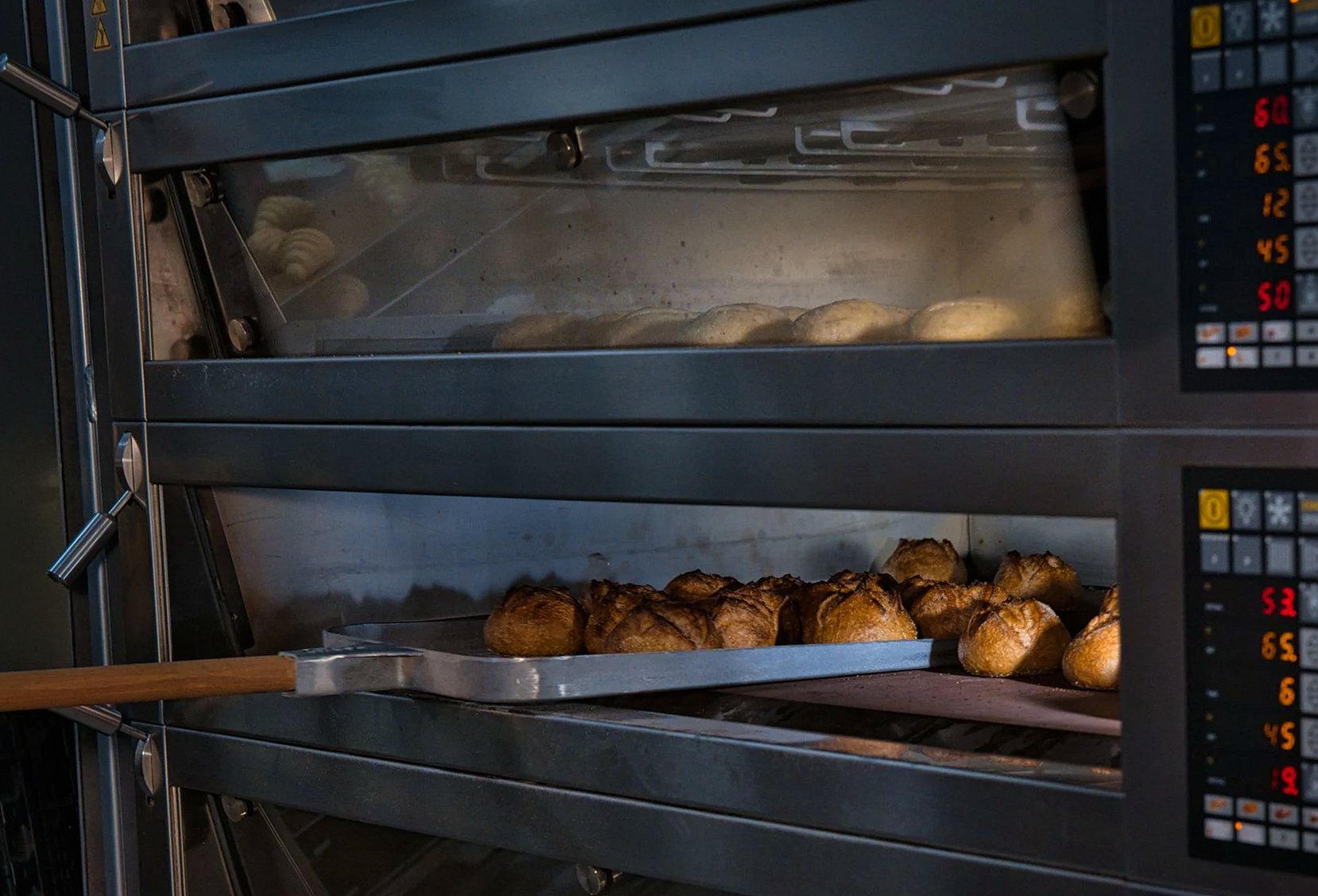
Chestnuts in Ishikawa Prefecture start coming in from late September, and the season runs through November. The kuri grown in the hills around Kanazawa are known for their size and sweetness, and they are genuinely different from the smaller, drier chestnuts you sometimes find at supermarkets. Working with fresh chestnuts is more labour-intensive than using a commercial paste, but the flavour difference is significant enough that we have never seriously considered switching.
Sourcing and preparation
We source our chestnuts from a local agricultural cooperative that aggregates from small growers in the Noto and Kaga areas of Ishikawa. The nuts arrive unprocessed, and we peel and cook them in-house. Peeling fresh chestnuts is slow work. The inner skin requires blanching and careful removal. And it takes about two hours to process enough for a week's worth of buns.
We cook the peeled chestnuts in water with a small amount of salt, then pass them through a fine sieve to make the paste. The texture at this stage is quite dry, which is what we want. We add butter and brown sugar to adjust consistency and sweetness, rather than starting with a wet paste and trying to dry it out.
Balancing sweetness in the filling
The amount of sugar we add to the chestnut paste changes slightly each year depending on the natural sweetness of that season's harvest. In 2026, the chestnuts are noticeably sweeter than last year, so we have reduced the brown sugar by about 15 percent compared to our 2025 recipe. This is the kind of adjustment that is impossible to make with a commercial paste, where the sweetness is fixed.
The filling is finished with a pinch of cinnamon and a small amount of Hokkaido butter. We do not add vanilla. The chestnut flavour is delicate enough that vanilla competes with it rather than complementing it.
The dough and the bake
The bun dough is a standard brioche formula: strong flour, local eggs, Hokkaido butter, a little honey, and a small amount of our sourdough starter as the leavening agent. We use the starter rather than commercial yeast because the mild acidity it contributes balances the sweetness of the filling. The dough is enriched enough that it needs a long, cold proof to develop structure. The shaped buns go into the walk-in overnight and bake first thing in the morning.
The chestnut buns are available from late September through November 30, while the fresh kuri last. Pre-ordering the evening before is the most reliable way to get one.